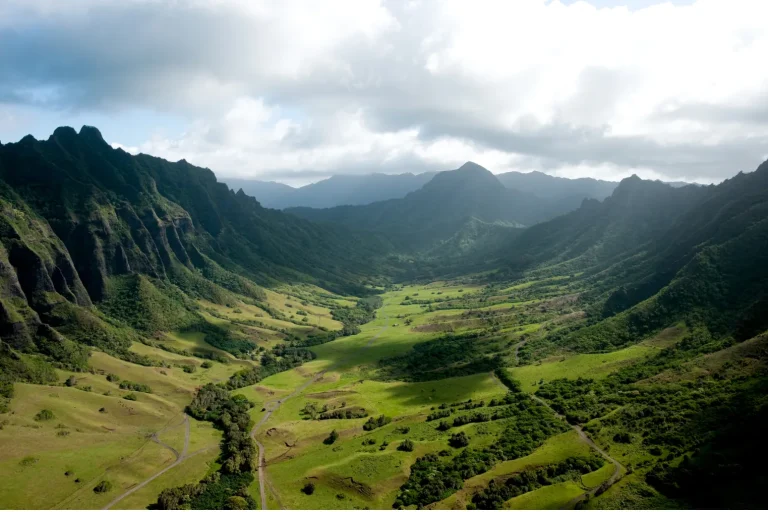
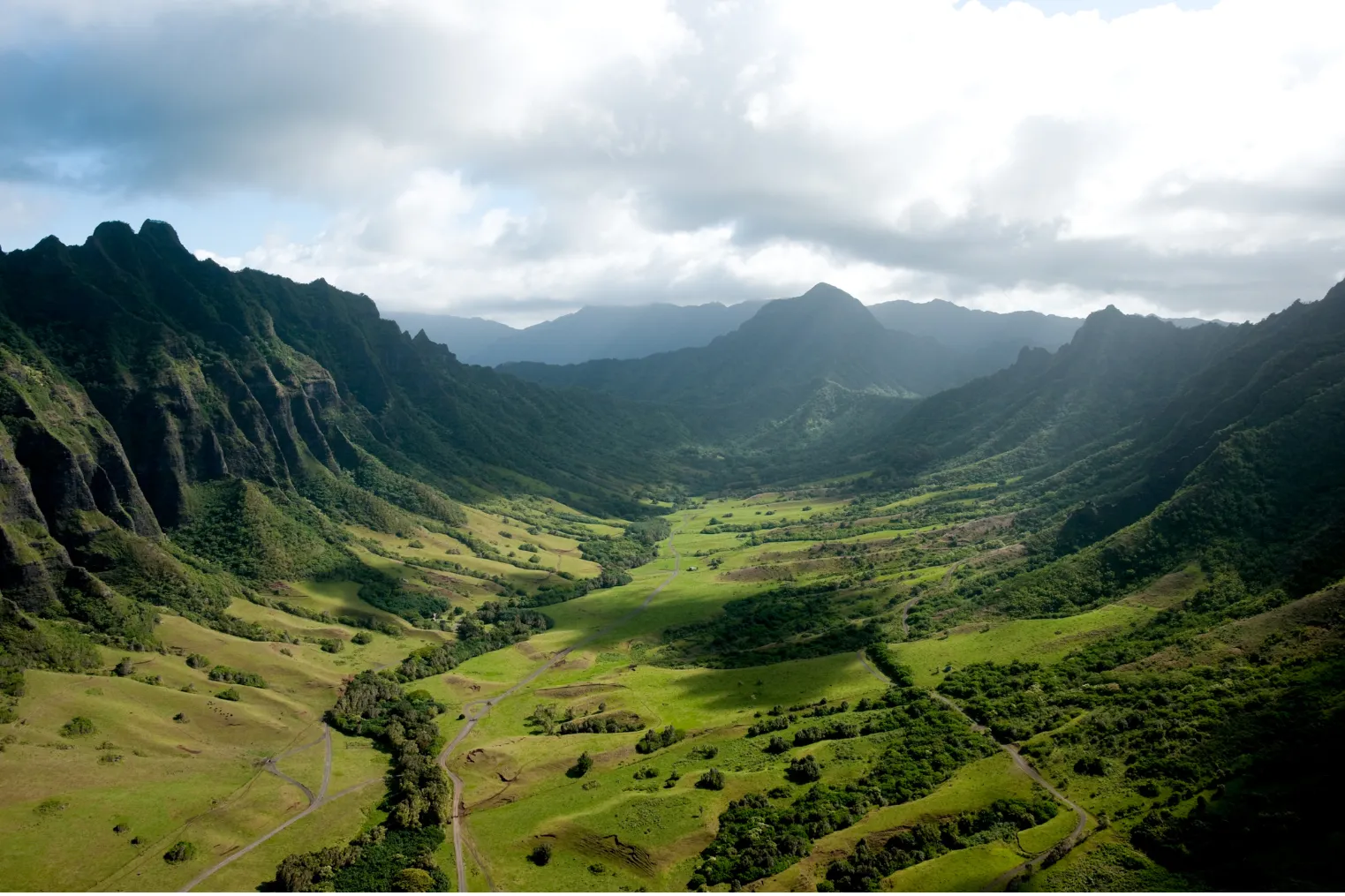
You’re about to loop Oahu in a day, from salty beach stops to misty lookouts where trade winds slap your hat. You’ll want quick-dry layers, a swimsuit under your clothes, and shoes that handle wet sand and food truck gravel. Pack reef-safe mineral sunscreen, polarized shades, a wide-brim hat, and a refillable bottle. Add a small towel, wet bag, and a phone charger in a dry pouch. But what’s the one item people always forget?
Key Takeaways
- Wear quick-dry layers with a light windproof rain shell and thin sweater for chilly, gusty lookouts and early pickups.
- Bring reef-safe mineral sunscreen, a wide-brim hat, polarized sunglasses, and lip balm for strong sun and glare.
- Pack a swimsuit under clothes, UPF rash guard, microfiber towel, and wet/dry bags for spontaneous swims or snorkel stops.
- Carry a reusable water bottle, snacks, and small trash pouch to stay hydrated, save time, and follow Leave No Trace.
- Bring a phone/camera with power bank and cables, plus cash and small bills for food trucks, donations, and cash-only vendors.
Oahu Circle Tour Packing Checklist (Quick List)
Before you set off on an Oahu circle island tour, toss a few smart basics in your day bag so you can roll with sunny beaches, windy lookouts, and quick swim stops without missing a beat. Pack travel-size reef-safe sunscreen (3.4 oz) and polarized sunglasses. Bring a refillable water bottle and a small dry bag for phone and keys. Add a swimsuit, towel, and snorkel gear for Turtle Beach, Sharks Cove, or Waimea Valley. Bring your phone or camera plus a charger for photos at cliffside pullouts. Carry about $20 cash per person for Tanaka Kahuku Shrimp and small food trucks that skip cards. You’ll stay ready for salt spray, sudden rain, and snack cravings, and you won’t chase change while the line moves. To make the most of the coastal scenery and mountain vistas, consider where you sit on the bus, as the best viewing seats can dramatically improve your circle island tour experience.
What to Wear for an Oahu Circle Island Tour
Your day bag’s set, so now dress for a route that flips from salty beach air to breezy lookouts in minutes. Start with quick-dry layers you can peel off and put back on fast. You’ll hop out for short trails, lava-rock coves, and roadside fruit stands, so wear comfortable walking shoes like sneakers or Tevas, then stash simple sandals for sand time. Slip a swimsuit under your clothes if you want to jump in at Sharks Cove or float in Waimea Valley’s pool. Bring a towel you won’t mind draping over the bus seat to dry. Add a light jacket or sweater for 7:30 a.m. pick-ups and windy points where trade winds hiss through ironwoods. You’ll stay comfy and ready for every surprise stop. For this kind of all-day outing, prioritize breathable, sun-safe pieces like quick-dry layers and sturdy walking shoes so you stay comfortable from coast to lookout.
Reef-Safe Sunscreen + Sun Gear to Pack
Pack reef-safe mineral sunscreen with non-nano zinc oxide, and keep it travel-size at 3.4 oz or less for your carry-on or toss a bigger bottle in checked luggage. You’ll want SPF 30+ broad-spectrum coverage, applied generously and reapplied every 80 to 90 minutes or after a swim, then back it up with a UPF shirt or rashguard, plus a wide-brim hat that won’t blow off at the first trade-wind gust. Add polarized sunglasses to cut the water glare so shore entries feel steadier and you can spot a sea turtle cruising by, and stash your sunscreen in a small wet bag or zip pouch so it doesn’t slime your daypack. Check Brown Water Advisories before you head out, since recent heavy rain and runoff can temporarily raise bacteria levels and increase your risk of getting sick when you swim.
Reef-Safe Sunscreen Essentials
Often, the brightest surprise on an Oahu circle island tour is how quickly the tropical sun finds you, even with a breeze off the water. Pack reef-safe mineral-based sunscreen with zinc oxide or titanium dioxide in a travel-size tube (3.4 oz max) so you can fly in without drama. Put it on 15 minutes before you slip into Hanauma Bay or any calm cove. Reapply every 80 to 90 minutes, and always after swimming, sweating, or toweling off. If you’re planning to shoot photos during the golden light of early morning or late afternoon, that softer sun can still burn, so keep your sunscreen and hat handy between shots.
Bring a UPF 50+ rash guard for long stops and salty snorkel sessions. It shields your shoulders and back, and it means less lotion slick on your hands. Toss reef-safe lip balm in your day bag, plus a small wet pouch for sunscreen-smeared gear afterward too.
Still comparing What Bring On Circle Island Tour?
Ask for tour ideas, hotel suggestions, or a simple trip plan that combines both.
Trip Helper
Hats, Sunglasses, And UPF
Because the sun shifts fast from breezy lookout points to windless beach stops, solid sun gear keeps the whole circle tour comfortable. Slip on a wide-brim hat or an adjustable cap with a neck flap so your face and collar stay shaded when the trade winds drop. Add polarized sunglasses. They cut road glare and make reef colors pop so you can spot a turtle’s dark shell in the shallows. Pair that with reef-safe mineral sunscreen. Pack a travel tube that’s 3.4 oz or less if you’re flying carry-on. For longer photo stops and quick snorkels, wear UPF 50+ layers like a rashguard or light hoodie. Toss everything in a small waterproof pouch or zip-top bag so it stays together and dry all day. To make the most of Oahu’s dramatic viewpoints, adjust your iPhone’s exposure and use HDR settings so the bright sky and deep blue water both look crisp in your scenery shots.
Reapplication Tips On Tour
Sun on Oahu doesn’t just shine, it sneaks up on you between lookout breezes and quiet beach coves, so plan to reapply while you’re already hopping on and off the bus. On a 6 to 9 hour loop, set a timer for 80 to 90 minutes, and reapply sunscreen after every swim or snorkel, especially after towel drying. For clearer photos and happier eyes, wear polarized sunglasses to help reduce glare from the sand and water while you’re snapping beach shots along the route.
- Travel-size reef-safe mineral-based sunscreen with non-nano zinc
- Wide-brim hat for face and ears
- UPF 50 shirt or rash guard to cut touch-ups
- Polarized sunglasses for turtles and shoreline glare
- Wet bag, plus a microfiber towel for quick dry and no spills
Keep these in a foldable beach bag at your feet. You’ll be ready at each stop, and your main luggage stays clean all day long.
Light Rain and Wind Layer (Microclimates)
Oahu’s microclimates can flip fast, so you’ll want a compact rain jacket you can grab at a lookout when the trade winds start to hiss through the ironwoods. Because conditions can swing from sunny on the leeward side to misty on the windward coast in minutes, it helps to layer so you’re comfortable no matter which part of the island your tour reaches next. Add a windproof midlayer that breathes and dries quickly, because a quick shower on the windward coast can leave your shirt feeling clingy on the next short hike. Prep for coastal gusts with a hood and snug cuffs, then stash the jacket in your daypack or the tour’s cooler space so you’re not juggling it like a slippery fish.
Pack A Compact Rain Jacket
Even if the sky looks postcard blue in Waikiki, a quick stop on the windward side can greet you with a five-minute shower and a salty gust off the water. Bring lightweight, waterproof-breathable rain jackets that are packable to a pocket or cube so you stay dry without hauling bulk. A compact shell is especially handy when your circle island drive swings past exposed viewpoints like Makapuu Lookout, where wind and passing showers can roll through fast.
- Hood that cinches when spray kicks up
- Taped seams for surprise roadside squalls
- Shell that shrugs off coastal gusts at North Shore
- Pit zips so you don’t steam on Waimea Valley paths
- Packs to water-bottle size in your daypack
You’ll thank yourself at 7:30 AM pickups and in shaded valleys where the air turns cool fast. When the sun pops back out, you’ll be ready in seconds. It’s a tiny fix for big comfort.
Add A Windproof Midlayer
Slip a windproof midlayer into your daypack and you’ll be ready when the island flips the weather switch. Choose a lightweight shell under 10–12 oz that blocks wind and shrugs off a quick sprinkle. On higher stops like Waimea Valley, the air can drop 10–20°F and feel cool on damp skin, so you’ll warm up fast without bulk. Up at the Nuʻuanu Pali Lookout, the strong, funneling tradewinds make a wind-blocking layer especially useful during early-morning or sunrise stops.
| Feature | Why it helps |
|---|---|
| Packs into pocket | Easy to grab on the bus |
| Breathable hood | Saves hair and protects your camera |
| Quick-dry neutral fabric | Works over tees or swimwear |
Stash it in a stuff sack so it’s handy for sudden squalls. It can even shade your arms when the breeze turns the sun sharp. You’ll hear palm fronds hiss while you stay comfortable at every lookout.
Prepare For Coastal Gusts
Once you’ve got a windproof midlayer ready to go, plan for the spots where the breeze gets bossy and the sky tosses a quick shower just for fun. Oahu’s windward and North Shore flip moods fast. You’ll feel salty spray at Laniakea and a cool hush in Waimea’s shade. At Makapuu Lookout, the exposed cliffs mean strong gusts and sudden showers can roll through even on a sunny day. pack a lightweight,water-resistant windbreaker or shell with a hood, then stash it so sand can’t grind the zipper.
- Thin fleece or merino tee to slide under your shell
- Compact travel umbrella or packable poncho for pop-up rain
- Small dry bag or zip pocket for clean layers
- Sunglasses and hat straps so gusts don’t steal them
- Reef-safe sunscreen, because stops still bake between clouds
You’ll stay comfortable, keep your camera dry, and laugh at the squalls.
Swimsuit, Quick-Dry Towel, and Wet Bag
Pack for the splashy parts of the day, because an Oahu circle island tour loves to tempt you with water. Toss in a swimsuit,quick-dry towel, and you’re ready when the van pulls up to Sharks Cove or when Waimea Valley’s pool glints under the trees. On many tours, you’ll have a chance to enjoy safe swimming stops at designated beaches or bays, so coming prepared makes it easy to jump in when time allows. A compact microfiber towel feels slick and light in your hands, then dries fast during the ride as the AC hums.
Bring a waterproof wet bag so your damp suit and towel don’t soak snacks, cameras, or the bus seat. Pick one with a loop or clip, then hang it at a rest stop or hook it under your seat. At restroom breaks, rinse or wring heavy items first. Your future self will thank you when the sand sticks.
Snorkel Gear: Bring vs Buy on Oahu
After you’ve wrung out your towel and clipped that wet bag under the seat, the next question pops up fast when the van rolls toward Turtle Beach or Sharks Cove: should you bring snorkel gear or grab a set on Oahu? On an Oahu Circle Island Tour, bringing your own mask and snorkel guarantees comfort and less fog. It also dodges lines and hygiene worries. Many itineraries also swing past Oahu Circle Island Adventure highlights like iconic shrimp trucks, so having your own gear means you can jump in quickly when snorkel stops line up between food breaks.
- Lightweight travel mask
- Foldable snorkel tube
- Reef-safe snorkel sunscreen
- Snug fins you trust
- Backup anti-fog drops
If you’d rather buy or rent on Oahu, ask your operator what’s available before departure, budget for shop prices, and size-check everything in the parking lot while the waves hiss nearby. A good seal means more turtles, fewer sputters, and a quieter float.
Shoes for Beaches, Towns, and Short Hikes
On an Oahu circle island tour, you’ll step from hot sand to cracked sidewalks to muddy trail bits, so your shoes can’t be an afterthought. You’ll want water-friendly sandals that dry fast and guard your feet from sharp lava rock, plus supportive sneakers with real traction for short hikes and uneven town paths. Toss in an easy slip-on pair for quick beach stops and spots where you’ve got to kick your shoes off at the door. Choosing the perfect footwear for an Oahu Circle Island Tour means prioritizing quick-drying, supportive shoes that can handle both wet beaches and rugged island terrain.
Water-Friendly Footwear
Most days, your feet will bounce from warm sand to a wet sidewalk to a short, rocky trail before you’ve even finished your shave ice. Pick footwear that drains fast, grips slick lava rock, and won’t chew up the reef.
- Teva-style sandals with sturdy straps for beach to lookout hops
- Quick-dry flip-flops for the bus, food trucks, and town strolls
- Light closed-toe trail sneakers for Waimea Valley and rocky pullouts
- Compact snorkel booties for Laniakea Turtle Beach or Sharks Cove entries
- Skip reef-specific water shoes that trap sand and can scrape coral
Choose quick-draining materials so water doesn’t weight you down as waves slap the shore nearby. Rinse everything at day’s end. You’ll hear the grit fall away, and your feet will thank you tomorrow.
Supportive Walking Shoes
Water-friendly sandals handle the splashy moments, but you’ll want a sturdier option when the day turns into steady walking. Bring closed-toe walking shoes for town strolls, lookout paths, and those short hikes where lava rock feels like rough sandpaper. If you prefer supportive sandals, pick a pair like Tevas with secure straps and a grippy sole. Skip flip-flops on trails or rocky beach access unless you enjoy toe stubs. Since the Oahu Circle Island Tour keeps you exploring for hours at a time, choose footwear that stays comfortable from the first stop to the last.
Break in new footwear before the tour. Add cushioned insoles or supportive socks because you’ll stand and walk for 6 to 9 hours. Pack compact slip-ons in your daypack for beach breaks. Choose quick-dry materials for stops like Turtle Beach or Sharks Cove. Avoid hard-soled water shoes that can scrape coral on the reef edge.
If You Stop at Waimea Valley: Bugs + Swim
In the shade of Waimea Valley’s lush garden trail, you’ll trade ocean breezes for damp air, birdsong, and the occasional mosquito with a mission. Plan for bugs and a dip at the waterfall, and you’ll stay comfy when you swim. Along the way, you’re just a short drive from the North Shore, where legendary winter swells and iconic beaches like Waimea Bay and Banzai Pipeline draw surfers and spectators from around the world.
- Reef-safe mineral sunscreen on before you go, plus extra in a zip-top bag
- DEET or picaridin repellent and a small anti-itch cream
- Swimsuit under clothes, towel, and water shoes for slick rocks
- $25 admission cash or card, and a dry bag for phone, keys, and bills
- Light rain layer and a plastic wet bag for muddy, damp gear
Pack it all tight so nothing gets soaked. Trails feel cool and humid. The pool edge is slippery. Seal essentials, then listen to the waterfall roar.
Water Bottle, Snacks, and Cooler Drinks
Always keep your reusable water bottle within arm’s reach, because a 6 to 9 hour Circle Island loop can sneak up on you once the sun starts bouncing off the sand and the bus windows. You’ll spot refill stations at stops, so top off fast and hop back in before your seatmate claims the view. Along the way, you’ll pass some of the island’s top food stops where you can grab fresh plates and local treats to break up the drive.
Pack easy snacks like granola bars, fruit, or salty nuts. They save you when the line at a food truck crawls and your stomach starts narrating the coastline. Bring a small cooler or insulated bag with non-alcoholic drinks and perishable bites. The bus allows it, and cold bottles feel amazing after a lookout. Stash snacks and your cooler where you can grab them between quick breaks and photo stops.
Cash and Cards to Pack for Oahu Stops
Once your water and snacks are set, make sure your wallet’s ready for the North Shore reality check. Some stops run old-school cash only, others tap-to-pay only, so you don’t want to be that person waving a card at a cash box. If your route includes a full Oahu Circle Island Adventure Featuring Chinaman’s Hat, you’ll hit a mix of viewpoints and snack shacks where payment options can change stop by stop.
- Bring a mix of cash and cards,small bills and coins.
- Plan about $15 to $20 for lunch, per person.
- Save room for a $6 Dole Whip and a $4 pie or shave ice at Ted’s or Matsumoto’s.
- Keep change for restroom donations and parking meters you’ll hear clink.
- Carry a card for Waimea Valley or Dole Plantation activities since payment rules vary.
Stash cash in a separate pocket and you’ll glide between stops with zero drama all day, even when lines swell.
How Much Cash for Kahuku Food Trucks + Tips?
How much cash should you carry for the Kahuku food trucks when the shrimp smell hits and the line starts to curl around the picnic tables? On the North Shore, many windows are cash only, so tuck at least $20 per person in your pocket. A garlic shrimp plate often runs $15 to $20, and that leftover change lets you tip the cook who’s working the sizzling griddle. Bring small bills so you’re not stuck begging for quarters. If you want to hop between stalls for malasadas, shave ice, or a slice of pie, plan $30 to $40 per person. On Circle Island Tours, you can stash drinks in the cooler, but skip alcohol on the bus. Save guide tips separately in one envelope. For a true local flavor stop, don’t miss the Kahuku food trucks, famous for classic shrimp plates and other North Shore favorites.
Oahu Circle Tour Camera + Phone Charging Kit
You’ll burn through battery fast on an Oahu Circle Island tour, between roadside lookouts, salty breeze, and nonstop photo moments, so pack a 12,000 to 20,000 mAh power bank with a USB-C and Lightning combo cable. Toss in a small multi-port charger or USB-A and USB-C car adapter plus a short 3 to 6 ft cable so you can top off during lunch stops or on the bus if outlets show up. For steadier shots, bring a compact phone clamp or mini tripod, and keep it all tidy in a light organizer or small wet bag so sand doesn’t turn your charging kit into beach art. To make the most of the tour’s essential photo spots, consider setting your camera or phone to burst mode for action shots and cleaning your lens frequently to counter sea spray and dust.
Portable Power Bank Essentials
Slip a 20,000 mAh power bank into your day bag and keep the camera clicks and map checks rolling all tour long. On 6 to 9 hour Circle Island Tours, that extra juice can mean 1 to 2 full phone recharges plus a camera battery pack boost between lookout stops.
- Dual USB-C and USB-A outputs for charging two devices at once
- Cable bundle: USB-C to USB-C, USB-C to Lightning, and USB-A
- Pass-through charging so you can top up the bank while charging gear
- LED indicator to check capacity before the next beach photo sprint
- Waterproof pouch with a 6 to 12 inch cable and a 1 to 2 meter cable
If you flew in, confirm it’s under 100 Wh and label mAh and Wh.
Car Charger And Mount
Pack a 12V car charger and a solid phone mount, and turn drive time into quiet recharge time between sea cliffs and shrimp trucks. Choose a 12V car charger that pushes 2.4A or USB-C PD 18W+ so your phone and camera top up while you watch palms blur past. A sturdy phone mount on the dash or vent keeps maps readable and your lens ready for fast pull-offs at Halona Blowhole or a taro patch overlook.
Add a small multi-port USB charger or a 10,000 to 20,000 mAh power bank for your GoPro and spare battery. Stash Lightning, USB-C, micro-USB, and camera adapters in a pouch. Bring a short extension or 150W inverter if you charge bigger gear. It’s the easiest souvenir: full batteries.
Kids: Car Seat/Vest, Shade, Snacks, Wipes
Kid gear can make or break an Oahu circle island day, especially when the tour runs 6 to 9 hours with plenty of roadside hops and beach breaks. Keep your kit small but ready so you can hop off at lookouts, hear the surf, and still keep everyone comfy.
- Fold a Ride Safer vest or Wavy Pico car seat for the ride and quick transfers.
- Pack a pop-up sunshade or UV umbrella plus a UPF 50 sun shirt for long stops.
- Stash steady snacks and $20 cash per person for food trucks and surprise lines.
- Bring travel wet wipes, hand sanitizer, and a wet bag for sandy gear.
- Add spare layers, a small blanket, and labels so nothing walks off the bus at pickup.
Meds, Motion Sickness, and Mini First-Aid Kit
Once everyone’s fed, shaded, and strapped in, think about the stuff you hope you won’t need but will love having when the road starts to curve past sea cliffs and ironwood trees. Bring your prescription medications in original labeled containers. Pack enough for the day plus one spare dose in a zip bag for delays.
If you get motion sickness, take meclizine 25–50 mg about 30–60 minutes before pickup, or slip on acupressure wristbands and let the ocean breeze do the rest. Toss a mini first-aid kit in your daypack: band-aids, antiseptic wipes, acetaminophen or ibuprofen, an antihistamine, and blister moleskin for sandy walks and lookout hikes. Add your inhaler, EpiPen, or glucose meter, plus allergy notes and emergency contacts in a waterproof pouch.
Malama ʻĀina: Pack Lighter, Leave No Trace
While you’re chasing that classic Oahu loop of sea cliffs, banyan shade, and salty trade winds through the van windows, it feels good to travel with a little mālama ʻāina mindset. You can pack smart and feel ready at stops, from Waimea Valley to the food truck line. Choose reef-safe mineral sunscreen in a 3.4 oz bottle and apply before you hit the sand so coral stays bright. Sip from a reusable bottle and refill often during the 6 to 9 hour ride. Keep a wet bag for swimsuits and a trash pouch so you can leave no trace. And skip disposables.
- Reef-safe mineral sunscreen, travel-size
- Reusable water bottle
- Wet bag for damp gear
- Small trash pouch
- Reusable cutlery, snack box, foldable beach bag
Frequently Asked Questions
Do I Need to Book Photo Stops in Advance or Are They Spontaneous?
You don’t need to book most photo stops; your driver-guide schedules them during the day for spontaneous roadside shots. Book ahead only if you want a guaranteed long pre planned photo op or timed-entry photos.
Is There Cell Service Around the Whole Island During the Tour?
You won’t get reliable cell service everywhere; you’ll hit dead zones in valleys and some coastlines. Even if you think maps’ll stream fine, plan for remote coverage gaps, and watch roaming charges on smaller/international carriers.
Are Restrooms Available at Most Stops on the Circle-Island Route?
Yes, you’ll find restrooms at most planned stops, often every 1–2 hours, including sites and beach parks. At remote overlooks, facilities may be limited, so practice restroom etiquette, ask your guide, and consider portable toilet options.
Can I Bring a Drone, and Where Is It Illegal to Fly?
Yes, you can bring a drone, like a medieval falconer, but you must follow FAA rules, heed park restrictions, respect privacy concerns, and obey beach bans. Don’t fly over crowds, vehicles, or near controlled airspace without authorization.
What Time Should I Eat Breakfast Before Pickup to Avoid Hunger?
Eat a hearty breakfast around 6:30–7:00 AM for a 7:30–8:00 pickup; if you go lighter, finish by 7:00–7:15. Pack an early snack and leave a timing buffer so you won’t get hungry before food stops.
Conclusion
You’ll roll out with salt on your skin and red dirt on your shoes, then slip back into the van with the windows down. Your daypack keeps the small stuff easy. Water, snacks, reef-safe sunscreen, and a light shell for that surprise wind near the cliffs. A wet bag saves your seat after a quick dip. Keep your phone charged for the tide pools and food truck lines. Pack light, leave nothing behind, and let Oahu do the rest.