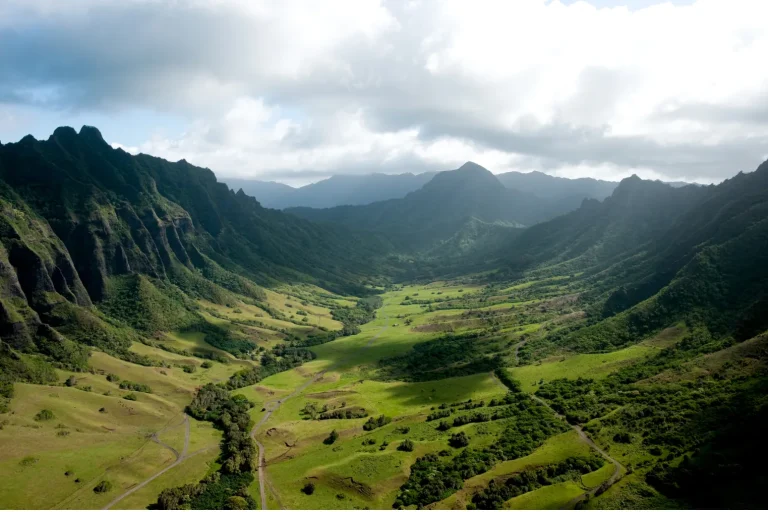
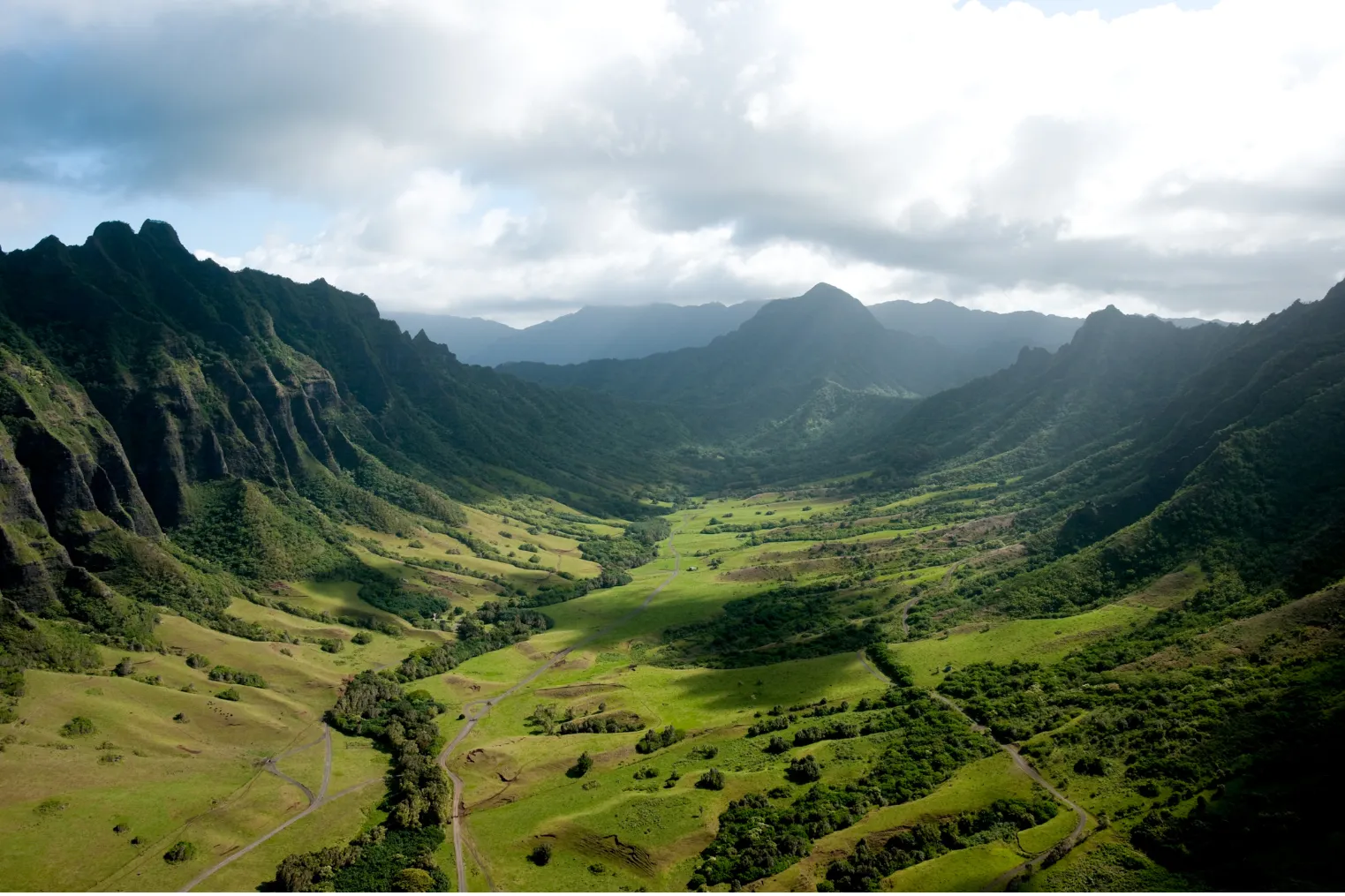
You roll into the North Shore like you’re chasing waves on a timer. You hop out at Kualoa Park for a quick Mokoliʻi shot, then grab a quiet stretch at Kahana Bay where the wind rattles the palms. You pull up at Sunset and Pipeline to watch winter sets slam the reef, safely from the sand. Then Haleʻiwa calls with shave ice and garlic shrimp. But which stops are worth your precious minutes?
Key Takeaways
- Most Circle Island tours reach the North Shore after Dole Plantation, spending about 1.5–2 hours on quick scenic pullouts and towns.
- Sunset Beach is a common 10–15 minute stop to hear shorebreak and watch surfers time incoming sets.
- Ehukai/Banzai Pipeline is usually a brief photo stop; view from marked areas and respect red, yellow, and black lifeguard flags.
- Haleʻiwa town stop typically lasts 20–45 minutes for shrimp plates, shave ice, shopping, and limited, fast-filling parking.
- Kualoa Regional Park (Mokoliʻi/Chinaman’s Hat) and Kahana Bay are popular 10–20 minute viewpoints for postcard photos, restrooms, and stretching.
North Shore Circle Island Tour Route (Order + Timing)
Roll north after your Dole Plantation stop and the Circle Island Tour starts to feel like a wave chase with a schedule. Over the next 1.5 to 2 hours you thread the North Shore through beach pullouts and small towns. You hop out at Sunset Beach for 10 to 15 minutes and hear the shorebreak slap the sand while surfers scan the sets. Next comes Ehukai and the Banzai Pipeline for another quick photo stop and a salty breeze. You roll into Haleiwa for 20 to 25 minutes. Grab garlic shrimp from a truck or poke around shops. If your route includes Waimea Valley, plan 45 to 90 minutes for the shady garden walk and the cool waterfall mist. Many tours bundle these North Shore stops into a full Oahu Circle Island Tour that also features the Dole Plantation. You head back toward Waikiki.
Mokoliʻi (Chinaman’s Hat) Photo Stop at Kualoa Park
Just beyond the Koʻolau cliffs, Kualoa Regional Park sets you up for one of Oʻahu’s easiest wow shots. You roll into the turnout and spot Mokoliʻi, the “little lizard” islet, sitting like a green cone in Kāneʻohe Bay. Guides usually give you 10 to 15 minutes, just enough time to hop out, feel the springy grass, and line up a clean frame. This offshore islet, often called Chinaman’s Hat Oahu, is one of the most recognizable silhouettes on the island and a favorite subject for landscape photographers. Aim your camera low to catch reef lines under clear blue water. Then tilt up to stack the islet against the jagged mountains. The wind carries salt and a bit of laughter from other vans. You’ll leave with a postcard shot and maybe a new favorite landmark name. Locals call it Chinaman’s Hat, and it shows up on Oʻahu sightseeing checklists, too.
Kualoa & Kahana Bay: Best Viewpoints and Quick Breaks
You’ll pull into Kualoa Regional Park, park fast, and take the short walk to the lookout where Mokoliʻi sits across Kāneʻohe Bay like it’s posing for your camera. You can shift your angle for cleaner shots and even catch reef lines sketching patterns on the water while Kualoa Ranch’s movie-famous green slopes loom nearby. From here you’re also looking out over a coastline that has hosted traditional canoe festivals honoring Hōkūleʻa’s first launch from Kualoa in 1975. Then you’ll roll on to Kahana Bay for a 10 to 20 minute breather with shade, a public restroom, and calm water that makes a quick stroll feel like hitting refresh.
Kualoa Regional Park Lookout
A strip of green lawn and a wide bay view make Kualoa Regional Park Lookout feel like a built-in pause button on the Circle Island drive. You pull in fast, step onto a flat path, and let the Koʻolau cliffs frame the windward coast. Across Kāneʻohe Bay, the little basalt islet Chinaman’s Hat sits like it’s posing for you. As part of scenic Kualoa Regional Park, the lookout shares the same tranquil shoreline setting that makes this stretch of coast a favorite for picnics and photos.
- Park in, hop out, breathe.
- Snap panoramic views in minutes.
- Use the restrooms before the next leg.
- Stretch on the grass by picnic tables.
- Listen for trade winds and distant surf.
Most tour vans linger 10 to 15 minutes, so you won’t overthink it. Grab water or a quick snack, then roll on with sand still on your shoes. Golden hour turns the bay copper.
Still comparing North Shore Stops On Circle Island Tour?
Ask for tour ideas, hotel suggestions, or a simple trip plan that combines both.
Trip Helper
Mokoliʻi Photo Angles
Pull off the road and line up Mokoliʻi like it’s waiting for your lens. At Kualoa Regional Park, park at the scenic pullout and take the short paved path to the grassy bluff. You’ll get an open sweep of Kāneʻohe Bay and a clean, centered island. Come early or late for golden light that rakes across the ridgeline and makes the water sparkle. For a full loop of the island’s best viewpoints, many visitors join a Scenic Oahu Circle Island Tour that includes time at Kualoa Regional Park.
Want a tighter, dramatic frame? Walk farther east along the Kualoa shoreline near the ranch turn in and use a telephoto to squeeze Mokoliʻi against the Koʻolau cliffs. For reflections and foreground texture, peek at the quiet Kahana Bay edge at low tide. Palms, tidal flats, and rocky points add depth. These stops fit a quick 10 to 20 minutes easily.
Kahana Bay Rest Stop
After you’ve lined up Mokoliʻi in your viewfinder, keep rolling a few minutes north to Kahana Bay for an easy reset. You step onto a long strip of sand on Oahu’s windward coast and the Koʻolau Mountains rise like a green wall behind turquoise water. This is a classic 10 to 15 minute stop, perfect for a quick walk, a stretch, and a restroom break at the lot before you chase North Shore beaches again. It also fits naturally into most Oahu Circle Island itineraries as a quiet pause between the busier east and North Shore highlights.
- Snap a wide shot from the pullout
- Listen for breeze in ironwood trees
- Spot reef flats and calmer, sheltered water
- Give your group a fast geography talk
- Refill bottles, then head to Laie Point
After Sunset and the Pipeline, the calmer water here lets your ears relax for once.
Pipeline & Sunset Beach Surf Stops (Season + Safety)
When you roll up to Pipeline and Sunset Beach in winter from November to February, you’ll hear the boom of shorebreak and watch clean blue walls stand up fast. You can stick to the sand and designated viewing areas, follow posted signs and lifeguard calls, and give surfers plenty of space because etiquette matters when the lineup’s packed. This stretch of North Shore is home to the world‑famous Banzai Pipeline, where powerful reef‑breaking waves and deep surf culture draw top pros and spectators every winter. Keep ocean safety simple: if the swell looks huge, you don’t go in, and you never try a rescue unless you’re trained because rip currents and shifting sandbars don’t care that you’re on vacation.
Peak Swell Season
Chasing winter swell on Oahu’s North Shore puts you face to face with the season that made Pipeline and Sunset Beach famous. From November through February, North Pacific storms send long lines of energy that detonate at Banzai Pipeline and Sunset Beach. On big days, sets can push 15 to 25 feet on the Hawaiian scale, and rare pulses jump past 30. The air tastes salty, the surf booms like thunder, and the shorebreak can snap shut fast. Lifeguards patrol more in winter, and conditions flip in minutes. If warnings rise, you always step back. During this peak season, big-wave surfing draws the world’s top surfers and major competitions to the North Shore.
- Check the forecast before you roll up
- Respect red flags and closures
- Listen to lifeguards, no debate
- Skip the water unless you’re expert
- Expect shifting sandbars and strong rips
Viewing Spots And Etiquette
Pull up to Pipeline or Sunset Beach in winter and you’ll feel the whole North Shore hum with energy. Park, walk in with sturdy shoes, and claim a spot on the sand or a safe rise above it. At Pipeline on Ehukai Beach you’ll see thick blue walls fold into barrels and hear the crowd gasp when pros thread a tube. Stay in marked viewing areas and don’t wade out unless you’re a true big wave expert. At Sunset, sets can march in like freight trains, so step back from the shoreline and skip rocky ledges. Keep drones and shouting low near the lineup, and never launch from private yards. Bring a light jacket, plus binoculars, and peek at Waimea Bay between sets today, where the tropical shoreline makes a calm contrast to the heavy surf.
Ocean Safety Essentials
Even if you’re only here to watch, Pipeline and Sunset Beach demand the same respect you’d give a roaring fire. In winter, swells can hit 20 to 30 feet at Pipeline (Ehukai Beach), and Sunset Beach turns sharp and fast from November to February. You’ll hear the boom, feel the spray, and see sand race in the backwash. Check the surf report, then read the flags. Lifeguards often work peak hours, so use them. Motion sickness tips can help if the winding roads or long bus rides to these North Shore stops leave you feeling queasy. If a rip grabs you, stay calm, float, signal, then swim parallel until you’re free.
- Read lifeguard flags: red no swim, yellow caution, black closed
- Stand well back from the shorebreak
- Don’t surf alone, and match leash and board to conditions
- Wear reef safe sunscreen
- Listen to local warnings always
Haleʻiwa Town Stop: Time, Parking, Shave Ice, Shops
Often, your Circle Island tour’s Haleʻiwa stop feels like a quick peek into North Shore life, with about 20 to 45 minutes to wander the historic main street. In Haleʻiwa Town, you’ll hear wheels on sidewalks and smell sea air with sunscreen. Parking is the trickiest part. You’ll find street spots and small public lots but they fill fast on weekends and surf season, so plan a short walk from the van drop-off. As you explore, you’ll start to understand why this former plantation community is now celebrated as a historic surf town with laid-back beach charm and colorful wooden storefronts. Make a beeline for Matsumoto Shave Ice, a local legend since the early 1950s. The line looks long but moves quickly, and the ice comes out fluffy and bright. Pop into surf shops, art galleries, and boutiques for aloha shirts or handcrafted jewelry. Matson fans can grab a postcard before reboarding.
Kahuku Shrimp Trucks + Fruit Stands (What to Try)
Roll into Kahuku with your appetite on and you’ll spot the North Shore’s shrimp-truck row by the smoky garlic smell and the clatter of picnic tables. You’ve got about 45 minutes, so scan the chalkboards, order fast, and grab a shady seat. Classic plates come with steamed rice and sauces that leave your fingers shiny. Some tours include a drink, so sip and people watch while your guide shares quick notes on local shrimp farming. If seafood isn’t your thing, nearby stalls often have chicken katsu or veggie chow mein. Many visitors plan this stop specifically to sample the best North Shore shrimp trucks that Oahu is famous for.
Roll into Kahuku, follow the smoky garlic scent, order quick, grab shade, and dig in before the 45 minutes fly.
- Garlic butter garlic shrimp, messy and perfect
- Lemon pepper for a bright bite
- Spicy garlic for a wake up
- Pineapple, mango, or papaya at Kahuku Fruit Stand
- Dole Whip or fruit for the ride
Waimea Valley Waterfall Walk + Laʻie Point Views
With shrimp plates finished and hands wiped clean, you trade smoky food-truck air for cool garden shade at Waimea Valley. You stroll the 1.5-mile paved trail through botanical gardens where broad leaves drip and birds argue overhead. Signs and guides point out native and endangered plants among 5,000 documented species. In about 1.5 hours round-trip you reach the waterfall. Mist beads on your arms and the pool looks tempting. Still, swimming’s discouraged because a rare leptospirosis risk isn’t a souvenir you want. Many Circle Island itineraries include several must-see stops like Waimea Valley to showcase Oahu’s diverse landscapes in a single day.
Back on the Circle Island route, you swing by Laʻie Point for a quick photo. Wind snaps, waves hammer the rocks, and a sea-arch frames the blue. It’s just before the Polynesian Cultural Center and Laʻie Beach Park for one salty look.
Frequently Asked Questions
Are There Restrooms Available at Every North Shore Stop?
No, you won’t find restrooms at every stop; many quick lookouts lack a public restroom or portable toilets. You should use facilities in Haleiwa, Waimea Valley, Dole Plantation, Kahana Bay, or Laie Beach Park instead.
Is the Tour Wheelchair-Accessible, Including Waimea Valley Paths?
You’ll find the tour wheelchair-accessible: you ride in A/C vans, you request wheelchair logistics in advance, and you follow accessibility signage. At Waimea Valley, paved paths suit many, but the waterfall walk may challenge some.
What Should I Pack for Changing Weather on the North Shore?
Pack layered clothing and a waterproof shell, plus a poncho. Bring a sun shirt, hat, and reef-safe sunscreen. Carry quick-dry towel, spare socks, and windbreaker. You’ll keep phone and wallet in a dry bag handy.
Are Snorkel Gear Rentals Included or Recommended for Any Stops?
Like a time-traveling knight, you won’t get snorkel gear rentals included; bring your own. If you’d rather not, ask about rental options at stops. Practice snorkel etiquette, and remember surf or fees can limit snorkeling.
Is Tipping the Guide Expected, and How Much Is Customary?
You can expect tipping; it’s part of local customs and gratuity etiquette in Hawaii. Tip about 15–20% of your per-person tour cost, or $5–$10 each for short stops; give more for exceptional service at end.
Conclusion
You’ve done the North Shore sprint, aka the “relaxing” Circle Island tour where your watch gets more exercise than you do. You’ve snapped Mokoliʻi from Kualoa Park, inhaled salty wind at Kahana Bay, and listened to Pipeline thump like a bass drum. You’ve parked in Haleʻiwa, survived the shave ice line, and chased garlic shrimp with sticky fingers. Now top off your water, watch the winter sets from a safe spot, and roll on.