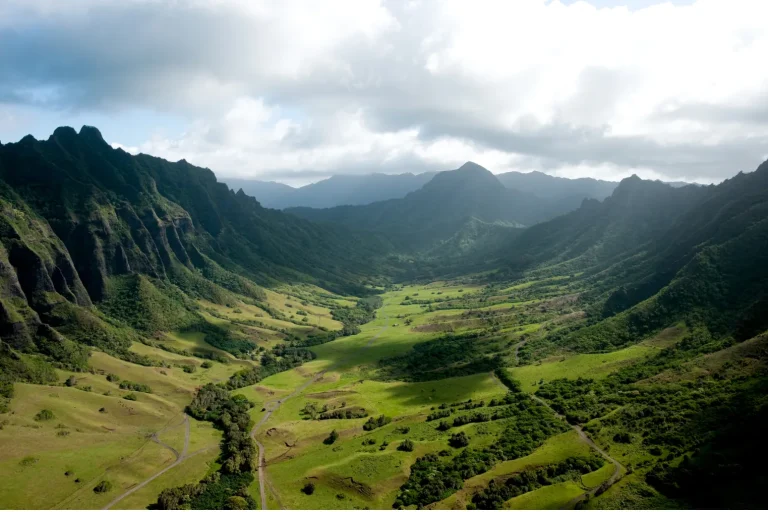
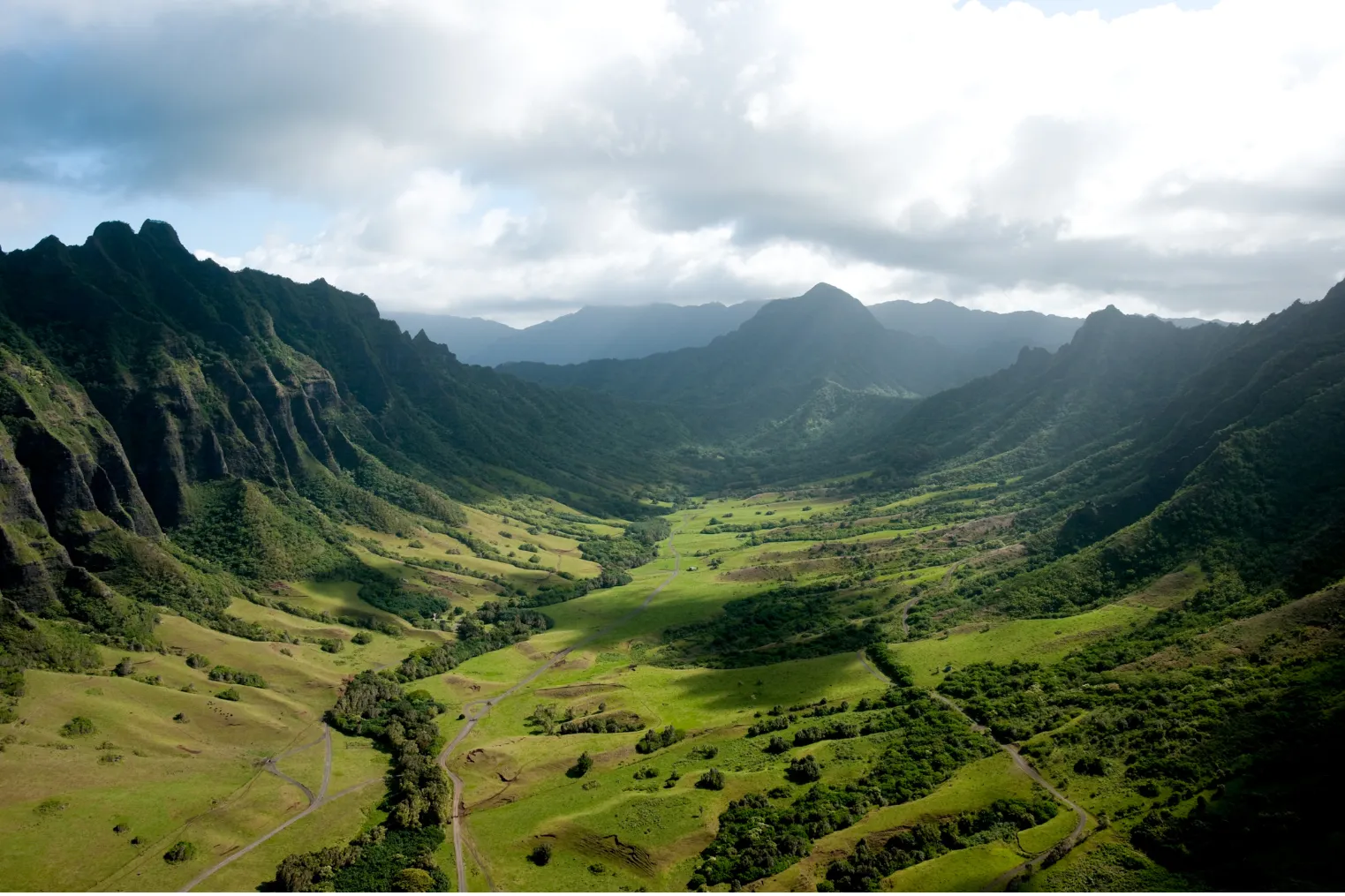
Coincidentally, the best photo light on Oʻahu shows up when you’re half awake or already thinking about dinner. You’ll get cool air and quiet sand at sunrise, with pastel skies at Lanikai or Makapuʻu and the soft hush of waves. You’ll get warmer, cinematic color at sunset, plus bold silhouettes at Ko Olina or Yokohama. Show up early and watch the clouds. Now the real question is which side of the island you’ll chase first…
Key Takeaways
- Sunrise gives cooler air, emptier beaches, easier parking, and soft pastel light, especially on Oʻahu’s east-facing spots like Makapuʻu.
- Sunset delivers warmer, cinematic tones with long shadows and silhouettes, but expect bigger crowds and slower exits at popular beaches.
- Golden hour lasts about 60 minutes after sunrise and 60–90 minutes before sunset, creating flattering skin tones and fewer harsh shadows.
- Arrive 15–20 minutes early (or 60 minutes early to capture the full color shift) because clouds and ridgelines can end light sooner.
- Use NOAA sunrise/sunset times (Hawaiʻi has no DST) and choose east coast for morning, west/north shores for the best sunset glow.
Best Time for Photos on Oʻahu: Sunrise or Sunset?
When should you book your Oʻahu photo session, sunrise or sunset?
Pick sunrise if you want cool air, empty sand, and easy parking. In summer you’ll likely shoot around 6:00–7:00 AM, and in winter about 6:30–7:30 AM. East facing spots like Makapuʻu glow with soft light, and you’ll hear only waves and a few birds. Sunrise views at Makapuʻu Lookout often include a dramatic horizon where the sun lifts directly out of the ocean. You’ll also need a fast coffee and a tight prep plan.
Choose sunset if you’d rather ease into the day. Plan for about 60–90 minutes before sunset, roughly 6:30–7:30 PM in summer or 5:30–6:30 PM in winter. Head west or north to Ko Olina, Kahe Point, or Yokohama Bay for warmer tones and big skies. Expect more people and slower exits. Your photographer will match mood, location, and energy.
Golden Hour in Hawaiʻi: What It Means
Although the sun moves fast in Hawaiʻi, golden hour gives you a generous window of easy, flattering light. It’s the roughly 60 minutes after sunrise or the 60 to 90 minutes before sunset, when the sun sits low and turns the beach into a soft studio. You’ll see warmer skin tones, fewer harsh shadows, and less squinting. Backlit hair catches a quiet rim of glow, and waves look like brushed metal. For a dramatic dawn backdrop over the Koʻolau cliffs, head to the Nuʻuanu Pali Lookout at sunrise when the light spills through the windward side. Think Sunrise vs. sunset as a direction choice. East facing beaches like Makapuʻu shine with pastel dawn. West and north views often pay off with deeper evening color at Ko Olina or Yokohama Bay. Clouds and mountains can steal the sun early, so check times and scout. Pack water, and shake sand later.
Golden Hour Times on Oʻahu (By Season)
On Oʻahu, golden hour keeps you on your toes because summer light lingers and winter light wraps up earlier. In summer you’ll start chasing that warm glow about 6:30 to 7:30 PM for sunset and around 6:00 to 7:00 AM for sunrise, while winter shifts you to roughly 5:30 to 6:30 PM and 6:30 to 7:30 AM. Use month by month ranges and a local sunrise and sunset table so you’re on the beach before the waves hiss and the sky turns buttery. Because Oahu weather patterns shift from the wetter windward side to the drier leeward beaches, you may find clearer golden hour skies on the south and west shores compared to the island’s east side.
Summer Vs Winter Golden Hour
Chasing golden hour on Oʻahu feels like following a friendly tide chart for light. In summer, you catch the summer golden hour at sunrise around 6:00–7:00 AM, then ride a longer evening glow near 6:45–7:15 PM. Pack sandals, listen for palms, and aim your lens toward east-facing beaches at dawn. For sunset, head west or north and start about 60 minutes before the posted time so you see the whole color shift. For planning around weather shifts, you can always check the latest light and cloud patterns through the NWS Forecast Office in Honolulu before heading out with your camera.
In winter, the soft start comes later, roughly 6:30–7:30 AM, and sunset light slips earlier, about 5:30–6:15 PM. Hawaii skips Daylight Saving Time, so you won’t chase clock changes, just clouds and angles when picking sunrise or sunset. If winds stack clouds, the gold can pop fast, so keep shooting and smiling.
Still comparing Best Time Of Day For Photos On Oahu?
Ask for tour ideas, hotel suggestions, or a simple trip plan that combines both.
Trip Helper
Month-By-Month Time Ranges
When you plan your Oʻahu shoot by the month, golden hour starts to feel as predictable as your morning coffee and just as worth showing up for. In summer, aim for Golden light around 6:45 to 7:15 PM, or catch the soft start at 6:00 to 7:00 AM. Spring and fall slide earlier, with sunset glow about 6:15 to 6:45 PM and morning color 6:15 to 7:15 AM. Winter moves fastest, with evening warmth 5:45 to 6:15 PM and sunrise 6:30 to 7:30 AM. For richer tones, arrive 60 minutes before the window, then keep shooting through sunset. You’ll hear waves hush as you chase sunrise or before sunset on warm sand. For exact minutes by date and beach, check NOAA or a calculator. To make the most of these windows, dial in your iPhone using Hawaii scenery camera tips like adjusting exposure, focus, and HDR so the sky and ocean both hold their color.
Sunrise Photos on Oʻahu: Calm, Pastel Light
Ever wonder why Oʻahu looks so calm right before breakfast? At sunrise, the island trades bright glare for soft pastel light that makes portraits feel effortless. In summer you’ll catch golden hour around 6:00–7:00 AM. In winter it shifts to about 6:30–7:30. You’ll hear small waves and a few birds instead of beach chatter. Head to an east facing beach like Makapuʻu for clean backgrounds and cool air. Morning trade winds usually stay gentle, so your hair and outfit behave. The low eastern light skims faces, flatters skin, and cuts down squinting. Move fast though. That softness turns harsh quickly. Bonus: 6:00 AM HST matches late morning in Chicago, so you can shoot early and still hike later. Pack a light layer and coffee. For sweeping coastal scenery in this early light, consider a Circle Island Drive that includes the Makapuʻu Lookout.
Sunset Photos on Oʻahu: Warm, Cinematic Light
Sunset on Oʻahu often feels like the island’s built-in movie filter, and you can tap into it if you show up early. Aim for the sunset golden hour 60 to 90 minutes before the sun drops, around 5:30 to 6:30 PM in winter and 6:30 to 7:30 PM in summer. Head to the west side for clean horizons and rich color. Ko Olina Lagoons, Kahe Point, and Yokohama Bay shine for backlit portraits and bold silhouettes. You’ll get warm skin tones and long shadows that flatter. Arrive 15 to 20 minutes early and shoot for at least an hour as gold fades into deep blue. Expect crowds at busy beaches, so frame tight or pick a quieter park. Watch clouds and trade winds too. If you plan to explore more of the island, many top photo stops on an Oahu circle island tour also glow at sunset, giving you dramatic coastal and mountain backdrops in a single day.
Sunrise vs. Sunset on Oʻahu: Decide Fast
You’ve got a quick choice to make on Oʻahu: chase sunrise for cool air, quiet sand, and soft east-facing light, or wait for sunset when west beaches glow and shadows stretch long. If crowds and comfort matter, morning usually wins with calmer water, easier parking, and less traffic; if you want richer color shifts and more prep time, evening feels relaxed and a little cinematic. Match it to your schedule too, because kids might crash before golden hour, and nobody wants to hear an alarm at 5:30 AM unless the ocean’s already humming. For an Oʻahu Circle Island drive, sunrise lights up east coast viewpoints first, giving you time to follow the sun as you loop around the island for photos all day.
Sunrise Or Sunset Light
Evenings usually peak from about 5:30 to 7:30 PM, and west or north shores like Ko Olina Lagoons or Kahe Point catch warm, cinematic backlight. On a full Oahu circle tour, you’ll see how sunrise favors the east and windward side, while sunset lights up the west and north shores. Check your map since some east facing beaches lose the setting sun behind the mountains. For the Best Time, start shooting within the first hour after sunrise or about 60 minutes before sunset, and arrive 15 to 20 minutes early.
Crowds, Comfort, And Schedule
If you want photos that feel relaxed and real, the clock matters as much as the light on Oʻahu. Pick sunrise sessions around 6:00 to 7:30 AM and you’ll hear waves and birds instead of beach speakers. You’ll park fast, dodge traffic, and keep backgrounds clean for shy kids or quiet proposals. Mornings run cooler and often less windy, so toddlers stay happy and hair stays put. You’ll finish early and still grab malasadas before the island wakes up. If you’re planning to explore more of the island on the same day, timing your portraits around the best time of year for an Oahu circle island tour can help you avoid heavy traffic and harsher midday sun.
Choose Sunset Portraits for after-work ease and those deep gold colors, but expect company at Waikīkī or Ko Olina. Build in buffer for rush hour, and scout a spot where crowds thin. Go east for sunrise like Makapuʻu. Go west for sunset like Kahe Point.
How Oʻahu’s Mountains Affect Your Light
While Oʻahu looks like a ring of beaches on a map, the Koʻolau range in the east and the Waiʻanae range in the west run the lighting schedule. Those ridges throw long shadows, so a beach can feel like it’s evening when NOAA says you’ve got time. At Sandy Beach, the Koʻolau can cut the sun before the sun dipping moment you expected, so start your sunset plan 10 to 30 minutes earlier. If you’re driving the island, many of the island’s dramatic coastal viewpoints double as scenic Oahu lookouts where shifting light over the day completely changes your photos. With mountains behind you, golden hour turns into side-lighting that shows sand ripples and rock texture. It can also split a group into bright and dark, so spot meter and shift angles. Valleys funnel trade winds, especially on the south side of the island, so pin hair and tame loose shirts.
Best Oʻahu Sunrise Photo Locations (East-Facing)
Sunrise on Oʻahu’s east side feels like a daily curtain lift, with the ocean turning from slate to silver right in front of your lens. Start at Makapuʻu Beach for direct first light and summer pastels around 6:00–6:30 AM, plus fewer people since it’s far from resorts. For island silhouettes, Lanikai Beach stays glassy and quiet early, with the Mokulua Islands floating like props. Over on Oʻahu’s windward coast, Kualoa Regional Park offers wide-open shoreline views and dramatic offshore islets that glow beautifully in the soft sunrise light.
| Spot | Best by | Look for |
|---|---|---|
| Makapuʻu Lookout | first hour | tidepools, bold color |
| Kailua or Waimanalo | before 8 | wide sand, mountain depth |
If you’re based in Waikīkī, plan 30–45 minutes to Waimanalo Beach. You’ll hear shorebreak thump and see ridges glow behind you at dawn. Bring a light layer, arrive early, and enjoy the cool breeze before the sun sharpens everything.
Best Oʻahu Sunset Photo Locations (West/North)
Chase the sun toward Oʻahu’s west and north edges and you’ll watch the whole island exhale into gold. For Sunset sessions, you want clean horizons, bold backdrops, and easy places to park and breathe.
- Ko Olina Lagoons: glassy water for tidy reflections and portraits.
- Kahe Point (Electric Beach): open ocean line and fiery color.
- Yokohama Bay: wide sand with mountains catching late light.
- Kualoa Regional Park: Chinaman’s Hat silhouettes and leading lines.
- Waialae and Kahala: soft tones when clouds cooperate, but hills can shade you early.
Arrive 45 minutes before sundown. Bring a towel and a lens cloth. Hear palms rustle and surf hiss as the light drops around you. Salt mist loves your gear. With these spots you’ll find the best angles fast. If you’re exploring the island on a Circle Island Adventure, you can time your loop so you end the day near Haleʻiwa or the west side for unforgettable sunset shots.
Crowds on Oʻahu: Sunrise vs. Sunset Beaches
Most days, the biggest difference between a dawn shoot and a dusk one on Oʻahu isn’t the color of the sky. It’s the people. At sunrise, roughly 6:00 to 7:30 AM, Waikīkī and Magic Island feel like a quiet movie set, with soft surf hiss and easy parking. You’ll slip into position fast and keep backgrounds clean. If you’re planning to loop the island after your shoot, many stops on an Oahu Circle Island Tour are also quieter and easier to access earlier in the day.
Best Time for Oʻahu Family Photos (By Age)
On Oʻahu, the clock you pick shapes more than the light. Match it to your crew’s ages and you’ll hear fewer complaints and catch more real laughs in the salt air.
- Infants and tiny toddlers: plan a sunrise session, 6:00–7:30 AM, for cool sand, soft breezes, and empty parking.
- Preschoolers (3–5): book late-afternoon golden hour so naps happen and play turns sweet.
- Kids (6–12): choose sunrise or start 60–90 minutes before sunset for richer skies and an easier morning.
- Teens: start about 60 minutes before sunset for cinematic light and time to get ready.
- Jet lag or early bedtimes: shoot sunrise early in your trip or wait for sunset after you’ve adjusted.
You’ll notice waves hush at dawn and glow copper when day ends. If you’ll be out exploring all day, especially on an Oahu circle island tour, pick photo times that still let you dress comfortably for changing weather and lots of time in the sun.
Best Time for Oʻahu Couples Photos
If you want calm and space to focus on each other, you can book sunrise and get quiet beaches, cool air, and a soft pastel glow behind you. For especially peaceful sunrise sessions on the east side, Waimanalo Beach offers long stretches of sand and a serene, uncrowded shoreline. If you want romance with a little drama, you can shoot at sunset and catch warm golden light, calm water reflections, and mountain silhouettes on the west or north shore. Either way, you’ll start about an hour before the sun hits the horizon and show up 15 to 20 minutes early, because parking and traffic don’t care that you’re in love.
Sunrise Calm For Couples
A sunrise couples session on Oʻahu feels like the island hit the mute button for you. You step onto quiet beaches between 6:00 and 7:30 AM, earlier in summer, and the air stays cool on your skin. At east facing spots like Makapuʻu Beach, pastel sky meets clean light, perfect for candid kisses and bare feet in damp sand. Early morning light also makes the Pali Lookout overlook especially photogenic if you’re exploring as part of a circle island tour. Arrive 15 to 20 minutes early because the soft glow turns to bright daylight fast, within about 30 minutes.
- Fewer walkers and zero photobombers
- Gentle trade winds that don’t wreck hair
- Delicate outfits that stay comfy
- Mainland friendly timing for your body clock
- A simple plan: shoot first, then grab coffee
You’ll hear only waves and terns, and you’ll still have the whole day ahead.
Sunset Glow And Romance
Sunset sessions often feel like Oʻahu turns up the romance without you trying too hard. Plan your sunset golden hour shoot for 60–90 minutes before sundown, around 5:30–6:30 PM in winter or 6:30–7:30 PM in summer. Arrive 15–20 minutes early so you can kick off shoes, scout rocks, and breathe. For couples, timing your shoot alongside a Romantic Oahu Circle Island Adventure for Couples can turn your photo session into a full-day shared memory.
| Spot | Look | Vibe |
|---|---|---|
| Ko Olina Lagoons | honey light, calm water | polished and easy |
| Kahe Point | bold flares, silhouettes | wilder and quieter |
West and north shores give clean horizons. Expect crowds at Waikīkī and Ko Olina, so slip to Kahe Point or a resort edge for space. Evening trade winds show up too. Choose flowy fabric and pin your hair so it reads windswept, not windblown. Stay through the dip for pink clouds and applause.
Best Time for Oʻahu Proposal Photos
While you can pop the question anytime, golden hour gives your Oʻahu proposal photos that warm glow and those dramatic candy-color skies that make the ocean look like polished glass. Plan a 60–90 minute window and arrive 15–20 minutes early so your photographer can catch the shift from posed to candid to sun-dip magic. For couples riding a circle island shuttle or charter before their session, grab window seats on the ocean side of the bus so you can scout picture-perfect coastal backdrops along the way.
Golden hour on Oʻahu adds warm glow and candy-color skies, arrive early for posed-to-candid moments and sun-dip magic.
- Summer sunset: 6:30–7:30 PM
- Winter sunset: 5:30–6:30 PM
- East beaches: choose sunrise at Makapuʻu
- West horizons: Ko Olina, Kahe Point, Yokohama Bay at sunset
- Fewer people: early morning, more prep time: evening
On east-facing sand, sunrise brings soft pastels and quiet waves. On the west side, sunset puts the light straight over the water, perfect for a surprise kneel and a quick “wait, is that the sun?” right behind you.
Oʻahu Traffic: How Early to Leave for Photos
Oʻahu traffic can flip your photo timing fast, so you’ll want a rush-hour buffer when H‑1 thickens and the Pali or H‑3 starts to crawl. If you’re crossing the island for sunset, plan an extra 30–45 minutes so you’re not watching the sky turn peach through your windshield. Leave early enough to park and walk in calm, and you’ll arrive with sandy feet and steady breathing instead of a last-minute sprint. Before you head out, check for planned Oʻahu lane closures on routes like H‑1, H‑2, and the Pali so a nighttime viaduct repair or tunnel inspection doesn’t steal your golden hour.
Rush Hour Buffer Time
Build in a little “island time” before your shoot, and you’ll thank yourself when the light turns perfect and you’re not sprinting across hot sand. If you’re heading to or from Waikīkī during weekday rush hours (6:30–8:30 AM, 3:30–6:30 PM), add a 45–60 minute buffer, especially on the H-1 and through Honolulu. Even outside those windows, leave 30–45 minutes earlier than your GPS so you can park, shake out your tripod, and listen for the waves.
- Check traffic before you step out
- Aim to arrive early, not exactly on time
- Circle once for parking, then commit
- Bring water, because sidewalks bake
- Use the extra minutes to scout angles
When you roll up calm, you’ll notice plumeria scent, shutters clicking, and soft gold on palms.
Cross-Island Drive Planning
Map it out before you head off, because a cross-island photo run can feel quick on your phone and slow behind a line of brake lights. If you’re chasing sunrise across Oʻahu, give yourself 45–60 minutes of driving, then add 15–20 minutes for parking and the sandy walk to the overlook. For Makapuʻu or Yokohama Bay, toss in another 10–20 minutes for the short hike and check lot opening times.
For sunset cross-island runs, budget 60–90 minutes in late afternoon when commuters and tour vans stack up. In peak season or on weekends, add an extra 15–30 minutes to your ETA. If golden hour starts your session, arrive 15–20 minutes early so kids, cameras, and calm are ready. You’ll hear surf before you see.
Wind, Heat, and Comfort: Sunrise vs. Sunset
At sunrise, you step onto the sand around 6:00 to 7:00 AM and the air usually feels cooler and less sticky, which is a gift during Oahu’s hot months. Your sunrise sessions mean less sweat, steadier makeup, and often softer wind. Roads feel quieter too, so toddlers and grandparents don’t arrive frazzled.
Sunrise on Oahu brings cooler, drier air, softer wind, and calmer roads, so everyone arrives relaxed and photo-ready.
- Pack a light layer for the pre-sun chill
- Choose breathable fabrics either way
- Expect more warmth 60–90 minutes before sunset
- Secure hair and pins when trade winds rise later
- Use the breeze for motion, but keep details simple
Frequently Asked Questions
Do I Need a Permit to Take Photos at OʻAhu Beaches or Parks?
You don’t need a permit for casual personal photos on most Oʻahu beaches or parks, but you’ll face permit requirements for paid/commercial shoots, large groups, drones, or restricted zones controlled by specific land managers there.
What Should We Wear to Complement OʻAhu’s Colors and Landscapes?
Pick palmy, pared-back pieces: Earth tones outfits in ivory, beige, rust, olive, or taupe. Add pastels for Vibrant contrast at sunset. Skip neons, choose flowy linen layers, neutral sandals or barefoot, minimal accessories, pack swimwear.
How Far in Advance Should I Book an OʻAhu Photographer for Peak Season?
For peak season on Oʻahu, book early, 8–12 weeks ahead, or 12–16 for Ko Olina or Kualoa weekends. For big groups or holidays, you’ll plan 3–6 months out. Timeline flexibility helps; weekday slots can open sooner.
What Happens if It Rains, Can We Reschedule or Switch Locations?
If it rains, you can usually reschedule or switch locations, just confirm your photographer’s rain policy when you book. They’ll monitor radar, pivot times, keep shooting through sprinkles, or move you to an alternate indoor spot.
Can We Bring Props, Pets, or a Stroller to Our Photo Session?
You can bring simple props, a leashed pet, and a stroller. Follow our prop policies: keep setups small and tell your photographer ahead. Practice pet etiquette: choose quiet spots, control interactions, and park strollers off-frame.
Conclusion
Chase sunrise and you’ll get cool sand underfoot, quiet parking lots, and a hush of pastel light over Makapuʻu or Lanikai. Pick sunset and you’ll trade that calm for warm color, busier roads, and bold silhouettes at Ko Olina or Yokohama. Show up early, even if it means coffee in the car. Let clouds and mountains set the clock. Nudge exposure so the sky stays rich. Either way, you’ll leave with salt on your skin and a full card.